2.12 Billion
Tons of waste generated annually
91%
Of plastic is not recycled
1.6 Billion
Tons of CO2 from waste
32%
Global recycling rate
Learn About Waste Management
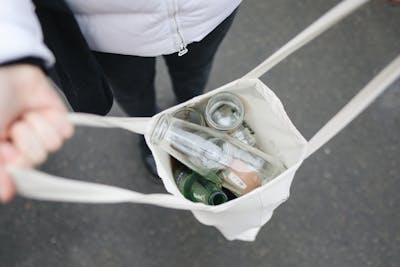
Recycling Basics
Understanding what can and cannot be recycled is the first step to effective waste management.
Start Course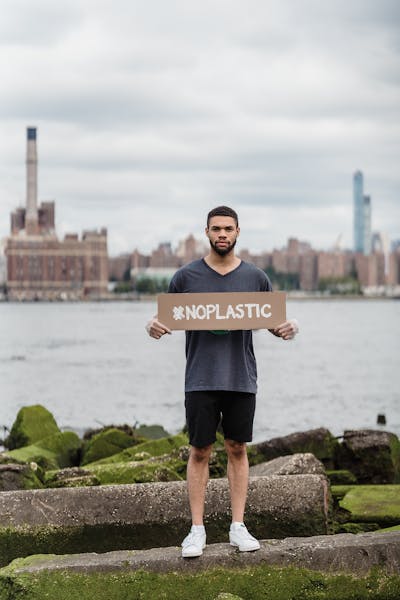
E-Waste Management
Electronic waste contains valuable materials and harmful substances that require special handling.
Start Course

Plastic Reduction
Simple changes in daily habits can significantly reduce plastic waste.
Start CourseRecycling Guide by Material
Paper & Cardboard
Accepted: Newspapers, magazines, cardboard boxes, office paper
Not Accepted: Tissue paper, waxed paper, contaminated pizza boxes
Tips: Flatten boxes, remove tape and labels
Plastic
Accepted: Bottles, containers with recycle symbols 1, 2, 5
Not Accepted: Plastic bags, styrofoam, packaging film
Tips: Rinse containers, remove caps
Glass
Accepted: Bottles, jars (all colors)
Not Accepted: Windows, mirrors, light bulbs, ceramics
Tips: Empty and rinse, remove lids
Metal
Accepted: Aluminum cans, tin cans, metal lids
Not Accepted: Paint cans, aerosol cans, scrap metal
Tips: Rinse food containers, crush cans to save space
Daily Sustainability Tips
At Home
- Use reusable containers for food storage
- Switch to LED bulbs
- Fix leaky faucets
- Compost kitchen scraps
- Use natural cleaning products
Shopping
- Bring reusable shopping bags
- Buy in bulk to reduce packaging
- Choose products with minimal packaging
- Support local and sustainable brands
- Avoid impulse purchases
On the Go
- Carry a reusable water bottle
- Use public transportation
- Bring your own cutlery
- Say no to plastic straws
- Pack a reusable coffee cup
Ready to Make a Difference?
Start your sustainability journey today by tracking your impact and joining our community
Track Your Impact